Cute Grapes: A Designer’s Review for Craft Fair Success
As an embroidery designer who has spent countless weekends behind a craft fair table, I have learned that not every design translates into sales. Some look beautiful on a screen but vanish in a busy booth. Others become instant bestsellers because they hit the right emotional note with customers. Today, I am reviewing Cute Grapes, a charming machine embroidery design that promises to bring a delightful touch to handmade creations. Having evaluated this file for potential use in my own small shop product line, I want to share how it performs in the real world of retail and production.
First Impressions: Visual Appeal and Market Fit
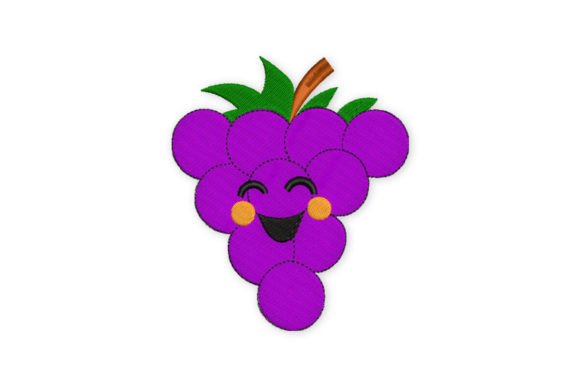
The first thing that strikes me about Cute Grapes is its immediate approachability. The description highlights "adorable, plump grapes with rich purples and greens," and visually, this translates to a design that feels both fresh and inviting. In the context of a craft fair, where buyers are scanning tables quickly, this design does not require explanation. It is instantly recognizable as food-themed decor, tapping into the popular cottagecore and farmhouse aesthetics that continue to dominate the handmade market.
Unlike complex floral arrangements that might feel too formal, or novelty graphics that can feel dated, this embroidery file strikes a balance. It is decorative enough to be taken seriously as home decor but playful enough to appeal to younger demographics looking for unique accessories. The color palette is key here. Rich purples and vibrant greens offer high contrast, which is essential for catching the eye from a distance. For an Etsy seller or boutique maker, this visual clarity is a significant advantage when creating printable mockups or scrolling through digital listings.
Product Versatility: Where This Design Shines
When planning a booth display, versatility is king. I tested the mental application of Cute Grapes across various substrates to see where it would perform best. Here is how it stacks up on common craft fair products:
- Tote Bag Design: This is arguably the strongest application. A large-scale placement on a canvas tote creates a bold statement piece. The plump nature of the grapes fills space well without looking sparse, making it an ideal focal point for market bags or grocery totes.
- Apron Embroidery: Kitchen textiles are perennial sellers. Placing this design on the bib of a linen or cotton apron adds a whimsical, chef-inspired vibe. It appeals to home cooks who want their kitchen gear to reflect their personality.
- Tea Towel Embroidery: For a more subtle approach, a smaller version works beautifully on tea towels. However, one must be mindful of the fabric texture. Terry cloth can swallow small details, so this design works best on flat-weave cotton or linen towels where the stitch definition remains crisp.
- Embroidered Patch: Creating iron-on or sew-on patches is a fantastic way to monetize a single digital embroidery file multiple times. The rounded shape of the grape bunch lends itself well to a die-cut patch format, which can then be applied to denim jackets, caps, or pencil cases.
- Pillow Covers and Pouches: As a central motif on a throw pillow or a zippered cosmetic pouch, the design adds a pop of color. It serves as an excellent conversation starter in a booth display, drawing customers in to touch the texture of the stitches.
Production Practicalities and Technical Notes
While the aesthetic appeal is strong, the practical side of production determines profitability. When working with any new design assets, especially for commercial embroidery, technical due diligence is non-negotiable. Since the specific stitch count, file format, and hoop size are not explicitly detailed in the brief description, I strongly advise checking these details before committing to bulk production.
Stitch Density and Fabric Choice
The description mentions "plump" grapes, which often implies satin stitches or dense fill stitches to create a rounded, 3D effect. High stitch density can cause puckering on lightweight fabrics like silk or thin cotton. If you are producing a finished product on delicate material, ensure you use a high-quality cut-away stabilizer to support the weight of the thread. Conversely, on thick fabric like denim or canvas tote bags, the density should hold up well, providing a premium, tactile feel that customers love to touch.
Thread Colors and Contrast
The success of Cute Grapes relies heavily on thread colors. Rich purples can appear black if the lighting is poor or if the thread quality is low. I recommend using variegated threads for the grapes to add depth and mimic the natural shading of fruit. For the leaves, a multi-tonal green can prevent the design from looking flat. Always test your thread chart against your fabric color. On dark fabric, you may need to adjust underlay stitches or add a white backing to ensure the purples pop.
Scaling and Clarity
One careful-use note involves scaling. Designs with intricate details can lose clarity if resized too small. If you plan to use this as a small accent on a pocket or a cuff, zoom in on your software to check for tiny, isolated stitches that might snag or break. For curved surfaces like caps, ensure the design is digitized with appropriate pull compensation to prevent distortion. A distorted grape bunch looks unprofessional and can hurt brand consistency.
Boosting Sales and Customer Engagement
From a business perspective, Cute Grapes offers several advantages for increasing product value. First, it is highly photogenic. In the age of social media marketing, a well-lit photo of this design on a textured linen napkin or a structured tote bag can drive significant traffic to an online store. The vibrant colors stand out in thumbnail images, improving click-through rates for Etsy sellers.
Second, it supports batch production. Because the design is self-contained and does not rely on complex, multi-hoop alignments, it is relatively quick to hoop and stitch. This efficiency allows handmade shop owners to produce inventory faster, reducing the labor cost per unit. Whether you are creating a set of matching kitchen linens or a run of embroidered patches, the repeatability of this design makes it a reliable staple for your catalog.
Finally, consider the emotional connection. Food-themed embroidery evokes feelings of warmth, hospitality, and comfort. By placing Cute Grapes on items used in daily life, such as aprons or towels, you are selling not just a product, but a lifestyle. Customers are more likely to engage with a booth that feels cozy and inviting, and this design contributes directly to that atmosphere.
Final Designer Recommendations
Before launching this design into your commercial embroidery lineup, take these steps:
- Test on Scrap Fabric: Never skip this step. Stitch out the design on the exact fabric you intend to sell. Check for puckering, thread breaks, or color blending issues.
- Verify Licensing: Confirm that the digital embroidery file includes commercial licensing rights. Most designers allow finished product sales, but restrictions on sharing the file itself are standard.
- Create Real Mockups: While digital mockups are useful, nothing sells like a physical sample. Bring a stitched tote bag and a towel to your next craft fair to gauge real-time customer reactions.
- Check Hoop Size Compatibility: Ensure your machines can accommodate the required hoop size. If the design is large, you may need a larger hoop or a multi-position strategy, which increases production time.
In conclusion, Cute Grapes is a strong contender for any embroidery business looking to expand its food-themed collection. With its charming aesthetic, versatile application, and potential for high visual impact, it has all the makings of a craft fair bestseller. By paying attention to technical details like stabilizer choice and thread contrast, you can ensure that every finished product meets the high standards your customers expect.