Cute Bat: A Designer’s Review for Craft Fair Success
As an embroidery designer who has spent countless weekends behind a booth table, I know that not every design translates equally well from screen to sales. When I first loaded the Cute Bat machine embroidery design into my software, my immediate goal was to determine its viability for the upcoming Halloween season. The market is saturated with spooky motifs, but there is a distinct gap for designs that balance festive themes with approachable, adorable aesthetics. This review breaks down how this specific embroidery file performs in real-world applications, focusing on what matters most to craft fair sellers, Etsy shop owners, and handmade product creators.
First Impressions: Visual Appeal and Market Fit
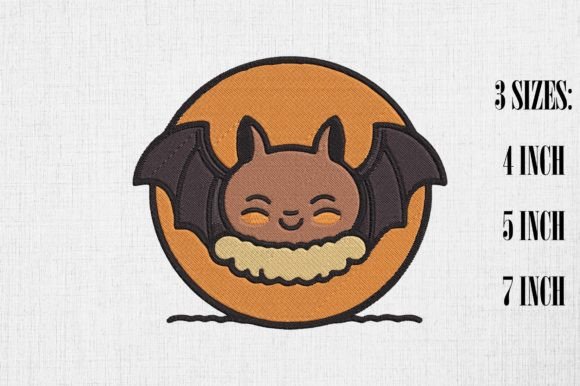
The first thing you notice about Cute Bat is its versatility in tone. It does not lean heavily into horror or gore; instead, it offers a whimsical, friendly vibe that appeals to a broader demographic. For a craft fair product, this is crucial. You are not just selling to hardcore Halloween enthusiasts; you are selling to parents looking for baby’s onesies, young adults wanting trendy tote bags, and home decorators seeking subtle seasonal accents. The design feels modern yet timeless, avoiding trends that might look dated next year. It strikes a balance between bold enough to catch the eye from three feet away and detailed enough to reward closer inspection.
When evaluating the visual weight, the design appears to have a solid structure. It is not so intricate that it gets lost on textured fabrics, nor is it so sparse that it looks unfinished. This makes it an excellent candidate for a small shop product line where consistency and quality are paramount. The "cute" factor drives impulse buys, which are the lifeblood of weekend markets.
Product Applications: Where This Design Shines
To maximize return on investment, you must pair the right design with the right substrate. Based on the description, this digital embroidery file is suitable for clothes, home decor, and accessories. Here is how I would strategically deploy Cute Bat across different product categories:
- Tote Bag Design: A canvas tote is perhaps the strongest contender for this motif. Placing the bat centrally creates a focal point that is both functional and fashionable. The sturdy fabric supports the stitch density well, ensuring the design does not pucker.
- Apron Embroidery: Kitchen-themed Halloween items are perennial bestsellers. An apron featuring this bat near the pocket or chest area adds a playful touch to holiday cooking. It transforms a standard utility item into a giftable handmade product.
- Tea Towel Embroidery: Tea towels are low-cost, high-volume items. However, caution is needed here. Ensure the stabilizer is appropriate for thin cotton to prevent distortion. If the design is too dense, it may stiffen the towel excessively.
- Embroidered Patch: Creating iron-on or sew-on patches allows customers to customize their own jackets or bags. This expands your reach without requiring you to stock multiple garment sizes.
- Baby’s Onesies: The adorable nature of the bat makes it perfect for infant wear. Parents love unique, non-scary Halloween options for their little ones. Always use soft backing and ensure no scratchy threads are exposed against the skin.
Production Practicality for Batch Selling
For an embroidery business owner, time is money. A design that takes twenty minutes to hoop and thirty minutes to stitch is less profitable than one that is quick and reliable. While I do not have the exact stitch count for Cute Bat, the visual simplicity suggests it is optimized for efficiency. It likely avoids excessive jump stitches and complex color changes, which reduces thread waste and machine downtime.
Photography is another critical factor. This design photographs exceptionally well because of its clear outlines. For an Etsy seller, having a design that looks crisp in thumbnail images is vital. It creates a strong printable mockup potential, allowing you to showcase the design on various products digitally before committing to physical inventory. This reduces risk and helps in testing market response.
Technical Considerations and Careful Use
Even the best designs have limitations. As a professional, I advise paying close attention to the following technical aspects before launching your commercial embroidery campaign:
- Fabric Texture: Textured towels or thick fleece can obscure fine details. Test the design on your specific fabric choice. If the bat has small internal details, they may get lost in high-pile fabrics.
- Thread Colors: Contrast is key. On dark fabric, use bright or metallic threads to make the bat pop. On light fabric, ensure the outline is distinct. Do not rely on subtle shade differences that disappear under fluorescent craft fair lights.
- Stabilizer Selection: The right stabilizer can make or break the finished product. For stretchy fabrics like t-shirts, use a cut-away stabilizer to maintain shape. For woven fabrics like aprons, a tear-away may suffice, but test for puckering first.
- Curved Surfaces: If applying this to caps, be mindful of the curvature. Designs that are too wide may distort on the front panel of a hat. Check if the design fits within the standard cap hoop size without compromising clarity.
- Small Lettering: If the design includes any text, verify its readability at smaller sizes. Tiny lettering often merges together after washing. If the bat stands alone, this is less of an issue, but always inspect the digitizing quality.
Enhancing Brand Consistency and Buyer Engagement
Using Cute Bat consistently across your booth display creates a cohesive brand identity. When customers see the same motif on a pillow cover, a market bag, and a patch, it reinforces recognition. This visual repetition signals professionalism and attention to detail. It tells the buyer that you are a serious creative entrepreneur, not just a hobbyist clearing out clutter.
Furthermore, this design encourages engagement. It is approachable enough that customers feel comfortable touching the samples. In a tactile environment like a craft fair, touch leads to purchase. The soft, friendly aesthetic invites interaction, whereas aggressive or overly complex designs might intimidate casual browsers.
Final Designer Notes for Implementation
Before you commit to full production, follow these essential steps to ensure quality control:
- Test on Scrap Fabric: Never run a new design on final product material without a test stitch-out. Check for thread breaks, tension issues, and registration accuracy.
- Confirm Hoop Size: Verify that the design fits your available hoops. If it requires a large hoop, consider if you can scale it down for smaller items like pouches without losing detail.
- Check Commercial Licensing: Ensure that your purchase of the design assets includes a commercial license. Most digital embroidery files require specific permission to sell finished products. Read the terms carefully to protect your business.
- Create Real Mockups: While digital mockups are useful, photographing a physical sample on the actual product provides authenticity. Show the texture of the thread and the drape of the fabric in your online listings.
In conclusion, Cute Bat is a strong contender for your Halloween lineup. It balances aesthetic appeal with production practicality, making it ideal for a diverse range of handmade products. By paying attention to fabric choices, stabilizer types, and presentation, you can turn this single embroidery file into a significant revenue stream for your small business. Whether you are an experienced Etsy seller or a new craft fair vendor, this design offers the flexibility and charm needed to stand out in a crowded market.