Tree Leaf Design: A Designer’s Review for Real Embroidery Projects
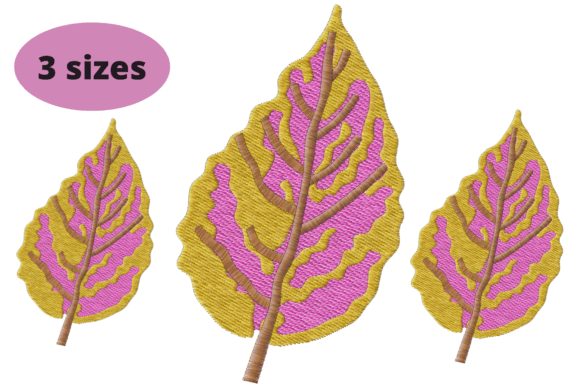
As a designer who spends more time staring at stitch simulations than I care to admit, I have learned that not every machine embroidery design looks as good on fabric as it does on a screen. When I first opened the file for Tree Leaf Design, my immediate reaction was one of quiet appreciation. It is rare to find a nature-inspired motif that balances organic flow with technical precision without becoming overly complex or messy. This piece, categorized under the Forest theme, captures the essence of botanical elegance without relying on excessive detail that often causes stitching headaches.
In this review, I am looking at Tree Leaf Design through the lens of practical application. I am not just evaluating aesthetics; I am considering how it behaves in the hoop, how it translates to different fabrics, and whether it holds up as a viable asset for craft businesses and Etsy sellers. If you are a maker, apparel decorator, or hobbyist looking to elevate your embroidery project portfolio, here is my honest assessment of how this design performs in the real world.
First Impressions: Mood and Visual Personality
The first thing that strikes you about Tree Leaf Design is its graceful silhouette. It avoids the rigid, clip-art feel that plagues many digital design assets. Instead, it offers a captivating, natural curve that suggests movement, as if caught in a gentle breeze. The layout is thoughtful, leaving enough negative space to prevent the design from feeling heavy or cluttered. This visual personality makes it incredibly versatile. It feels sophisticated enough for high-end boutique branding yet approachable enough for a cozy, handmade gift.
For those of us working in the Forest niche, finding designs that do not look generic is a challenge. This artwork stands out because it respects the simplicity of the subject. It is a testament to the idea that less is often more in Embroidery. The lack of unnecessary noise means the design relies on clean lines and balanced proportions, which translates beautifully to thread.
Real-World Application: From Tote Bags to Sweatshirts
To truly test a design, you have to imagine it on actual products. I recently simulated a run of custom tote bag design prototypes using Tree Leaf Design. Placed centrally on a canvas tote, the leaf acted as a minimalist logo. The result was chic and modern. Because the design is not overly dense, it did not distort the fabric, a common issue with larger motifs on thinner materials.
I also considered its potential for sweatshirt embroidery. When scaled up for a chest pocket or a back panel, the design maintained its clarity. The curves smoothed out nicely, avoiding the jagged edges that can occur when complex shapes are enlarged. For custom apparel, this is crucial. Customers want a polished look, not a pixelated or messy stitch-out. This design delivers that professional finish.
Another strong use case is baby embroidery. The soft, organic shape of the leaf is perfect for nursery decor, baby blankets, or onesies. It conveys a sense of calm and nature, which appeals strongly to parents looking for gentle, non-gendered themes. Whether used as a standalone motif or paired with a name for a personalized gift, it adds a touch of warmth without being overwhelming.
Technical Performance and Stitching Clarity
From a technical standpoint, Tree Leaf Design appears to utilize a mix of stitch types effectively. While I cannot specify the exact stitch count without opening the specific file version, the visual structure suggests a combination of satin stitch borders for definition and fill stitch areas for body. This combination is ideal for creating depth. The satin edges provide a crisp outline that helps the design pop against various backgrounds, while the fill gives it substance.
However, stitch density is always a concern with nature motifs. In my experience, designs that try to capture every vein and texture of a leaf often become too dense, leading to puckering. Tree Leaf Design seems to strike a balance. It suggests texture rather than forcing it. This makes it safer for a wider range of fabrics. That said, I always recommend checking the density settings in your software before running a final production batch, especially if you are working with delicate materials.
For those interested in an applique design variation, this shape would adapt well. The clear boundaries make it easy to cut fabric pieces accurately. If you are selling finished product items like patches or layered garments, converting this into an applique could reduce stitch time and add a unique textural contrast.
Where to Use Caution: Fabric and Hoop Considerations
No design is universal, and Tree Leaf Design has its limitations. While it is versatile, you must be mindful of where you place it. On highly textured fabrics, such as thick terry cloth towels or rough linen, fine details can get lost. The graceful curves might blend into the fabric weave if the thread colors do not offer sufficient contrast. Always test on scrap fabric first.
Curved surfaces present another challenge. If you are planning to use this on caps or hats, ensure the hoop size allows for proper stabilization. The curvature of a cap can distort horizontal elements, so positioning the leaf vertically or diagonally might yield better results. Additionally, for stretchy fabrics like jersey knits, a high-quality stabilizer is non-negotiable. Without it, even a well-digitized design can pull and warp during washing.
Dark fabrics require careful color selection. A single-color leaf might disappear on black or navy. Consider using metallic threads or lighter shades to ensure the design remains visible. Testing in black and white mockups can help you gauge contrast before you thread up your machine.
Boosting Brand Value and Customer Trust
For small business owners and craft business operators, the quality of your digital embroidery file directly impacts your brand perception. Using a clean, professional design like Tree Leaf Design signals attention to detail. It elevates a simple handmade product into something that feels curated and intentional.
When customers see a crisp, well-stitched leaf on a pillow cover or kitchen towel, they associate that quality with your brand. It builds trust. In the competitive landscape of commercial embroidery, consistency is key. This design’s balanced aesthetic makes it easy to integrate into a cohesive collection. You can pair it with other forest-themed elements or use it as a signature mark across different product lines, from holiday embroidery gifts to everyday small shop product offerings.
Moreover, for those creating printable mockup listings for online stores, this design photographs well. Its clear lines and elegant shape look attractive in product photos, helping to drive buyer engagement. A visually appealing listing often leads to higher conversion rates, making the choice of design a critical business decision.
Practical Notes for Designers and Makers
Before you commit to a large run or list this as a new item in your shop, keep these practical tips in mind:
- Test on Scrap Fabric: Always run a test stitch-out on the same type of fabric you plan to use for the final product. This helps you identify any tension issues or density problems.
- Check Thread Contrast: Ensure your thread colors stand out against the fabric. High contrast enhances visibility, while low contrast creates a subtle, tonal effect.
- Review Stitch Density: If your machine struggles with dense areas, consider adjusting the underlay or reducing the fill density slightly in your editing software.
- Confirm Hoop Size: Make sure the design fits comfortably within your hoop, leaving enough margin for stabilization and clamping.
- Inspect Small Details: Zoom in on the design file to check for any tiny, isolated stitches that might cause thread breaks or nesting.
- Licensing Verification: If you plan to sell items made with this design, confirm the licensing terms. Ensure you have the right to use it for commercial embroidery projects.
In conclusion, Tree Leaf Design is a strong contender for any designer’s library. It offers a blend of natural beauty and technical reliability that is hard to find. Whether you are creating a personalized gift for a friend or stocking your Etsy seller shop with new inventory, this design provides a solid foundation for high-quality work. By respecting its limitations and leveraging its strengths, you can create stunning, professional-grade embroidery that customers will love.