Spider Sash: A Designer’s Review for Halloween Projects
As an embroidery designer who spends countless hours digitizing and testing files, I approach every new download with a critical eye. We all know the frustration of purchasing a machine embroidery design only to find it lacks the structural integrity needed for commercial use. Recently, I came across Spider Sash on Creative Fabrica, and it immediately caught my attention for its versatility beyond standard seasonal motifs. While categorized under Halloween, this piece offers a unique structural utility that many designers overlook in favor of standalone icons.
In this review, I will break down how Spider Sash performs in real-world applications, from custom apparel to home decor, and whether it deserves a spot in your digital library.
First Impressions: Visual Mood and Stitching Personality
The first thing you notice about Spider Sash is its linear elegance. Unlike bulky, fill-heavy designs that can distort fabric, this pattern relies on a delicate balance of line work and negative space. The visual mood is whimsical yet sophisticated, making it suitable for more than just spooky October decor. The stitching personality leans towards refinement; it does not shout for attention but rather accentuates the item it adorns.
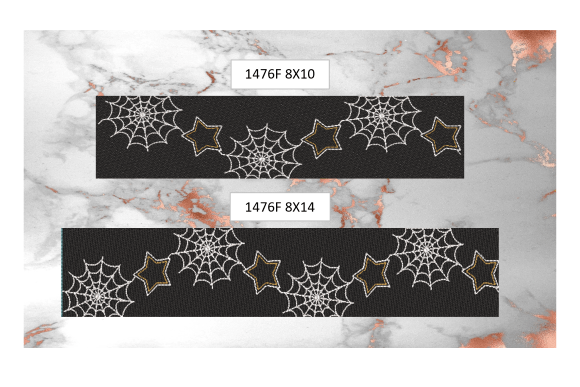
For those of us who value clean finishes, the design’s potential for binding and borders is its strongest asset. It is not merely a central motif but a functional design element. When I visualized this as an embroidery file for a project, I saw immediate possibilities for framing other elements or creating continuous patterns. The detail level is high enough to be interesting up close but open enough to remain lightweight on the fabric.
Real-World Applications for Makers and Sellers
When considering a purchase for a small business or handmade shop, versatility is key. Spider Sash shines in projects where continuity matters. Here is how I envision using this design in a commercial context:
- Table Runners and Placemats: The description notes its use for sashing. Imagine running this design along the hem of a black linen table runner. It creates a bespoke look that elevates a simple textile into a high-end handmade product.
- Pillow Tops: By piecing the design together, you can create an all-over print effect for pillow covers. This is particularly effective for seasonal decor that needs to look curated rather than mass-produced.
- Custom Apparel: For sweatshirt embroidery, placing this along the sleeve seam or the bottom hem adds a subtle touch of personality. It works beautifully on dark fabrics, where the thread contrast can pop without overwhelming the garment.
- Tote Bag Design: A tote bag often serves as a canvas for larger art. Using Spider Sash as a border around a central pocket or along the top edge frames the bag nicely, adding perceived value to the finished product.
For Etsy sellers and craft fair vendors, this type of design allows for product differentiation. Instead of slapping a large spider in the center of every item, you are offering refined, architectural embroidery that appeals to buyers looking for subtlety.
Technical Performance and Fabric Considerations
From a technical standpoint, working with border designs requires careful attention to hoop stability and fabric choice. Since Spider Sash is intended for edges and bindings, you must consider how the fabric behaves under tension.
Stabilizer Selection: Always use a proper stabilizer. For woven fabrics like cotton or linen used in table runners, a cut-away stabilizer provides long-term durability, especially if the item will be washed frequently. For stretchy fabrics like those used in custom apparel, a tear-away might suffice for light wear, but cut-away is safer for maintaining shape.
Thread Colors and Contrast: The impact of this design relies heavily on your thread colors. On dark fabrics, metallic threads or bright oranges and purples can enhance the Halloween theme. However, for year-round use, consider tonal stitching—using a thread slightly lighter or darker than the fabric. This creates a textured, embossed look that feels luxurious and modern.
Stitch Density and Fabric Distortion: One concern with any border design is puckering. Because this design is likely composed of running stitch and potentially light satin stitch elements, the density should be manageable. However, always test on scrap fabric first. Check the stitch density by examining the back of your test stitch-out. If the bobbin thread is pulling through, adjust your tension before starting your final project.
Enhancing Product Value and Brand Consistency
Using versatile assets like Spider Sash can significantly affect your brand consistency. When customers see a cohesive style across your commercial embroidery offerings, they trust your craftsmanship. This design allows you to create a signature look for your seasonal collections.
Furthermore, it improves product photography. Borders and sashes frame the product naturally, drawing the viewer’s eye to the quality of the stitching. For digital product sellers who create printable mockup images, this design offers clean lines that render well in digital previews, helping to convert browsers into buyers.
Practical Notes for Embroidery Designers
Before you download and start stitching, keep these practical tips in mind to ensure professional results:
- Check File Details: Always review the product page on Creative Fabrica embroidery section for specific file formats and hoop sizes. Ensure the design fits your machine’s capabilities.
- Test on Scrap Fabric: Never skip the test stitch. Verify that the alignment works for your intended border application.
- Inspect Small Details: After stitching, inspect the turns and corners. If the design includes tiny details, ensure they do not bunch up, which can happen if the stabilizer is insufficient.
- Licensing Compliance: Confirm the license terms on the product page. Most Creative Fabrica designs allow for commercial use of finished physical items, but it is crucial to verify this for your specific business model.
- Fabric Choice: Avoid highly textured fabrics that might obscure the delicate lines of the sash. Smooth cottons, linens, and stable knits yield the best results.
Final Verdict: Is Spider Sash Worth It?
If you are looking for a generic, oversized Halloween motif, this might not be your primary choice. However, if you are an experienced designer or a serious crafter looking to add sophistication to your seasonal lineup, Spider Sash is an excellent investment. Its ability to function as a border, sash, or modular tile makes it far more versatile than typical holiday designs.
It supports the creation of high-quality personalized gifts and boutique merchandise that stand out in a saturated market. By focusing on structural elegance rather than just thematic imagery, this design helps elevate the perceived value of your work. For those ready to expand their design assets with functional, stylish elements, this embroidery design is a worthy addition to your collection.